Voting Day in Korea: The Quiet Codes K-pop Idols Follow on Election Day
Behind Korea's June 3 local elections — and why your favorite idol suddenly stopped throwing peace signs.
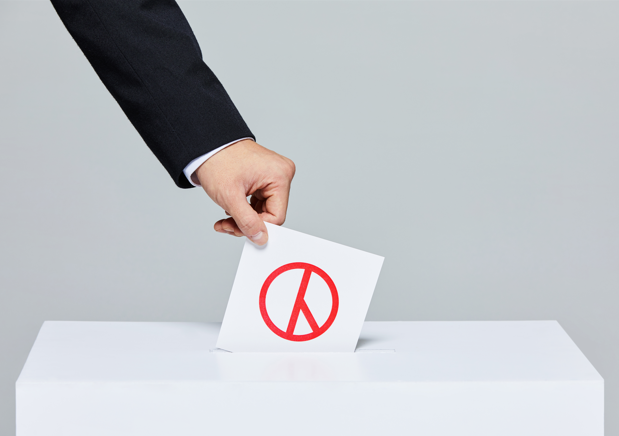
If you follow K-pop on Instagram in late May 2026, you might notice something strange.
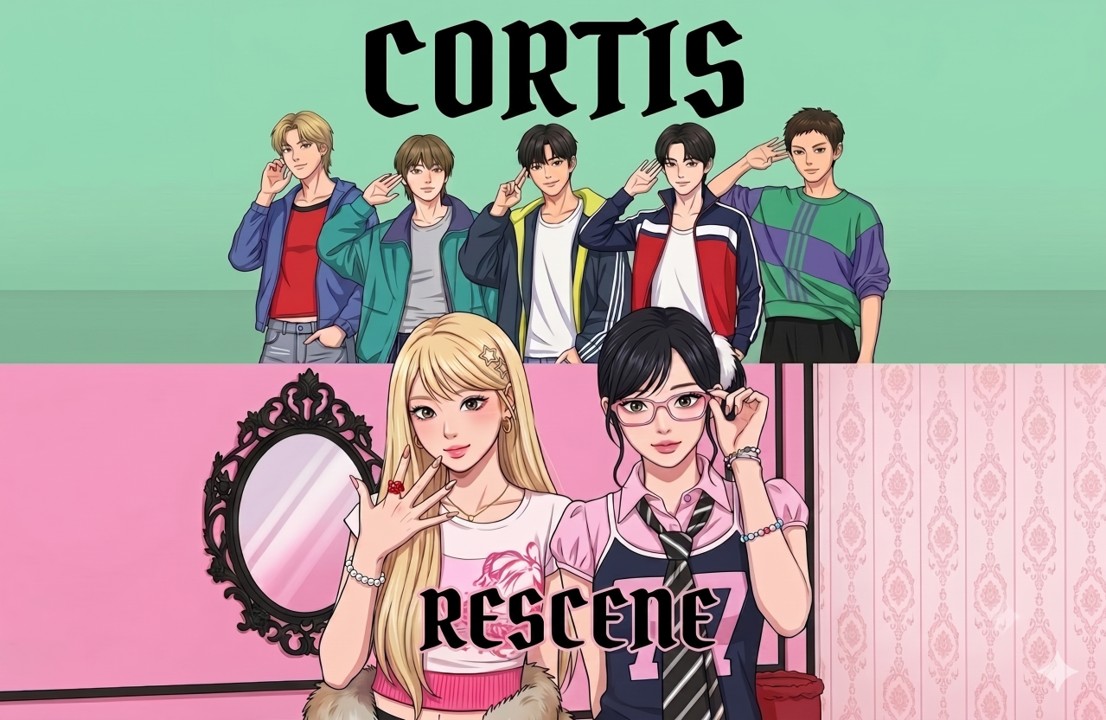
Idols who normally pose with bright clothes, peace signs, and finger hearts suddenly switch to black-and-white selfies, clenched fists, and carefully neutral outfits. Some delete photos within minutes of posting. Their captions get shorter. Their hand gestures get oddly precise.
What's happening? Korea is in election season — and an unwritten rulebook quietly kicks in across the entire entertainment industry.
On Wednesday, June 3, 2026, South Korea holds its 9th nationwide local elections (제9회 전국동시지방선거). And if you're in Korea, planning to visit, or just curious about why your favorite idol's feed looks different this week, here's what you need to know about how Koreans vote — and the fascinating cultural codes that come with it.
The Basics: 2026 Local Election Day
The local elections decide everything from mayors and provincial governors to education superintendents and local council members. Korean voters receive up to seven separate ballots in a single visit — one of the most ballot-dense elections in the world.
Key dates:
- 🗳️ Main Election Day: Wednesday, June 3, 2026 (6:00 AM – 6:00 PM)
- 📅 Early Voting: Friday, May 29 – Saturday, May 30 (6:00 AM – 6:00 PM both days)
- 🏖️ June 3 is a temporary public holiday — most offices and schools close, making it easy for almost everyone to vote
To vote in person, you need: a photo ID (national ID, driver's license, or passport). That's it. No registration cards, no appointment, no fee.
사전투표 (Sa-jeon-tu-pyo): Korea's Genius Early Voting System
If there's one part of Korean voting that fascinates foreigners, it's early voting.
사전투표 (early voting) runs for two full days before the main election, and here's the magic part:
🌟 You can vote at ANY early voting station in the country.
That's right — no need to return to your registered address. A college student in Seoul whose hometown is Busan? They can walk into any Seoul polling station and cast a complete ballot, including local races back in Busan. The system automatically pulls up the correct candidates for your registered district.
Foreigners are often amazed by how seamless this is. In many countries, voting requires returning to your home district, requesting mail-in ballots weeks in advance, or navigating complicated registration. In Korea, it's just: walk in, show ID, vote.
This is one reason South Korea consistently ranks among the top countries in the world for voter turnout in developed democracies.
A Quick Detour: 진보 vs 보수 (Progressive vs Conservative in Korea)
Before we get to the color rules, you'll need a quick crash course on how Korean political identity actually works — because "left vs right" in Korea doesn't map neatly onto Western definitions.
Korea's two major political camps are:
🔵 진보 (Jin-bo) — "Progressive"
- Generally aligned with the Democratic Party (민주당)
- Color: blue
- Tends to favor engagement with North Korea, more independent foreign policy, stronger labor protections, and economic equity
- Historically tied to South Korea's pro-democracy movements
🔴 보수 (Bo-su) — "Conservative"
- Generally aligned with the People Power Party (국민의힘)
- Color: red
- Tends to favor a hard-line stance on North Korea, a strong U.S. alliance, business-friendly policy, and traditional values
- Historically associated with security and economic-development priorities
💡 Why This Confuses Foreigners
Two surprises for Western readers:
- Red ≠ left, Blue ≠ right. Western progressives often associate with blue and conservatives with red (especially in U.S. politics). In Korea, it's reversed: red = conservative, blue = progressive.
- The defining issue isn't always economics. In many Western countries, left vs right splits on taxes, healthcare, or social welfare. In Korea, the most fundamental divide is North Korea policy — and how to balance security concerns with engagement.
Now that you understand the basic spectrum, the color rules in the next section will make a lot more sense.
The K-pop Idol Election Code 🚫
Now for the part that fascinates international fans the most — and might be the reason you're reading this.
In Korea, K-pop idols (and most public figures) are expected to maintain political neutrality — known as 정치 중립 (jeong-chi-jung-nip). This isn't a law. It's an extraordinarily strong cultural expectation, enforced by fans, media, and agencies themselves.
During election season, even accidental signs of partisanship can trigger massive backlash. So idols follow a quiet, unspoken code:
🎨 The Color Rules
As you just learned, each major party has a signature color:
- 🔴 Red — People Power Party (conservative)
- 🔵 Blue — Democratic Party (progressive)
During election season, idols avoid wearing these colors prominently — especially when posting selfies near polling day. Many switch to neutral tones (white, black, beige, gray) or post black-and-white photos entirely to sidestep any interpretation.
✋ The Hand Gesture Rules
This is where it gets really specific.
Each candidate in a Korean election is assigned a number on the ballot (1, 2, 3, etc.). And hand gestures that visually resemble those numbers? Off-limits.
- 👍 Thumbs up — looks like the number "1" → avoided
- ✌️ V sign (peace sign) — looks like the number "2" → avoided
- 🤟 Three-finger gestures — looks like the number "3" → avoided
Idols who normally pose with cheerful V signs in every selfie suddenly switch to:
- ✊ Clenched fists (the safest pose during election season)
- 🫰 Finger hearts (generally considered safe — it doesn't resemble a number)
- 🖐️ Open palm / full hand (neutral)
You'll see entire K-pop groups quietly coordinating their poses during this period. Group photos suddenly feature everyone with clenched fists instead of the usual playful chaos. Some idols have even been known to start a peace sign mid-photo, realize what season it is, and quickly contort it into a "number 5" or a closed fist.
📸 Other Quiet Adjustments
- Hair colors get hidden under hats if they happen to be bright red or blue
- Phone cases, accessories, even fingernail colors get scrutinized
- Captions get carefully apolitical — vague, warm, and devoid of opinions
- Posts get deleted and re-uploaded if something is flagged
It can sound exhausting — and honestly, it is. But it reveals something important about Korean culture: public figures are expected to belong to everyone, not to a side.
The Voting Selfie Culture 🤳
Here's where it gets fun.
While idols carefully avoid political expression, voting itself is celebrated openly — and one of Korea's most beloved election traditions is the 인증샷 (in-jeung-syat / "verification selfie").
After voting, Koreans love to:
- 📷 Snap a photo outside the polling station (with the "투표소" sign visible)
- ✋ Show the voting stamp on the back of their hand (yes, Korean voters get a small ink stamp)
- 📱 Post it on Instagram with hashtags like #투표인증 (#voting_verification) or #투표완료 (#voted)
K-pop idols, actors, and ordinary citizens all participate. Voting is treated as a proud civic act worth sharing — even if everyone is careful to keep their political opinions private.
⚠️ Important rule: It's illegal to photograph your actual ballot or take photos inside the voting booth. The 인증샷 culture is strictly about photos before or after voting — outside the polling station, with the hand stamp, or holding the official voter information card.
This balance — strict political neutrality combined with enthusiastic civic participation — captures something uniquely Korean about election culture.
Korean Vocabulary for Election Season
| Korean | Romanization | Meaning |
|---|---|---|
| 사전투표 | sa-jeon-tu-pyo | Early voting |
| 투표소 | tu-pyo-so | Polling station |
| 인증샷 | in-jeung-syat | Verification selfie |
| 진보 / 보수 | jin-bo / bo-su | Progressive / Conservative |
| 정치 중립 | jeong-chi-jung-nip | Political neutrality |
Sample sentence:
사전투표하고 투표소 앞에서 인증샷 찍었어요!
"I did early voting and took a verification selfie in front of the polling station!"
That sentence is exactly what Koreans post on Instagram during election week — a small ritual repeated millions of times.
What This Tells You About Korea
Election day in Korea isn't just about who wins. It's a window into how Korean society balances two things that should be in tension but somehow aren't:
- Strict political neutrality for public figures
- Enthusiastic civic participation for everyone
K-pop idols can't take political sides — but they'll proudly post a selfie outside a polling station, hand stamp visible, smiling like they just did something wonderful. Because in Korea, voting itself is something everyone agrees on — even if no one's allowed to talk about who they voted for.
It's the kind of cultural nuance you only really notice once you've watched a few election cycles play out. And once you see it, you can't unsee it.
📲 We also cover Korean culture in short clips on Instagram — including this election-season breakdown.
Want to understand Korea beyond the headlines? At Seoul X On, our online Korean lessons go beyond grammar — we explore the cultural codes, idioms, and unwritten rules that make Korean society tick. Try a free trial lesson and start understanding Korea the way locals do.